

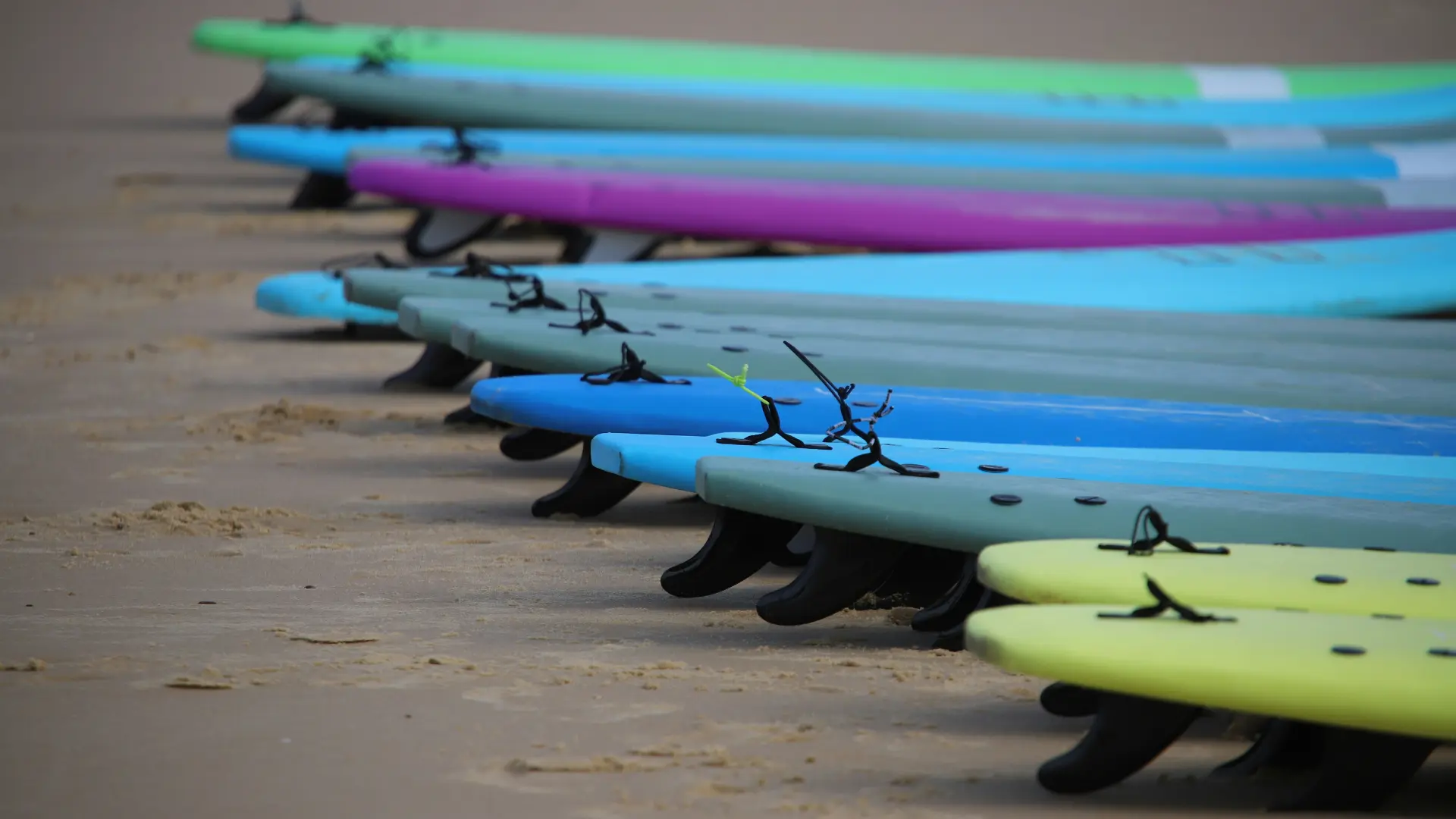
Imagine this: the salty breeze hits your face, the sun glimmers on the waves, and your heart races with excitement as you paddle out for your first real ride. The anticipation is thrilling—but without the right surfboard, those first experiences can turn frustrating, wobbly, and even discouraging.
Choosing the right surfboard isn’t just about buying a piece of equipment; it’s about setting yourself up for success. The right board gives you stability, boosts your confidence, and accelerates your learning curve. Meanwhile, the wrong one can make standing up feel impossible, turning the joy of surfing into repeated tumbles.
In this guide, you’ll discover everything you need to know about the best surfboards for beginners. From types and sizes to top picks and essential accessories, we’ll cover all the details to ensure your journey into surfing is smooth, safe, and, most importantly, fun. Whether you’re stepping on the board for the first time or helping someone start their surfing journey, this article has you covered.
Table of Contents
Why Choosing the Right Surfboard Matters
Surfing is one of the few sports where equipment dramatically affects your progress from day one. A beginner-friendly board can be the difference between catching your first wave confidently or spending hours struggling just to stand. Here’s why your choice matters:
Benefits of the Right Beginner Surfboard
- Stability: A wider and longer board keeps you balanced, making standing up easier.
- Buoyancy: Foam or soft-top boards help you float, letting you focus on your technique rather than staying above water.
- Safety: Beginners fall—a lot. Choosing a forgiving board reduces the chance of injury.
- Confidence: Progressing quickly on a board that suits you keeps motivation high and makes learning more enjoyable.
Common Mistakes Beginners Make
Many first-time surfers rush to buy a “cool” board without understanding its suitability for beginners. Avoid these mistakes:
- Board is too short or narrow: This makes balance tricky and learning slow.
- High-performance boards first: Shortboards and pro-level boards are meant for experienced surfers. Starting with one will lead to frustration.
- Ignoring your body size: Your weight, height, and strength matter when picking a board.
Pro Tip: Always check with a local surf instructor or surf shop before making a purchase—they can guide you based on your skill level and local wave conditions.
Types of Surfboards for Beginners
Choosing a beginner-friendly board starts with understanding the types of surfboards available. Each type offers unique benefits, depending on your skill, local waves, and goals.
Soft-Top Surfboards
Soft-top boards are often recommended for beginners due to their forgiving nature.
- Construction: Foam deck with a soft surface to reduce injury.
- Pros: Durable, safe, easy to paddle, and buoyant.
- Cons: Less maneuverable than hardboards; limited performance for advanced tricks.
- Best For: Absolute beginners, children, and anyone prioritizing safety.
Longboards
Longboards are classic boards that beginners love for their stability.
- Length: Typically 8–10 feet.
- Pros: Great balance, smooth rides, easier to catch waves.
- Cons: Heavy and bulky to transport; not ideal for sharp maneuvers.
- Best For: Beginners learning in small to medium waves; those who value stability over agility.
Funboards
Funboards combine features of longboards and shortboards.
- Length: Usually 6–8 feet.
- Pros: Versatile, easier to maneuver than longboards, good for progressing skills.
- Cons: Less stable than longboards; may feel challenging in choppy water.
- Best For: Beginners transitioning to intermediate surfing; surfers who want to try a variety of waves.
Comparison Table: Beginner Surfboards
| Surfboard Type | Length | Stability | Maneuverability | Best For |
|---|---|---|---|---|
| Soft-Top | 7–9 ft | High | Low | First-time surfers, kids |
| Longboard | 8–10 ft | Very High | Low | Smooth rides, small waves |
| Funboard | 6–8 ft | Medium | Medium | Growing skills, intermediate |
Insight: Stability is the key metric for beginners. While maneuverability is exciting, early success comes from staying upright and catching waves with ease.
How to Choose the Best Surfboard for Beginners
Choosing the right board requires considering more than just the type. Here’s how to make an informed decision:
Consider Your Height and Weight
Your body size influences the board’s length and width. Use beginner charts as a reference:
- Heavier surfers: Opt for longer and wider boards.
- Lighter surfers: Shorter soft-tops are sufficient and easier to control.
Think About Wave Conditions
- Small, gentle waves: Longboards or soft-tops are ideal.
- Medium waves: Funboards allow better maneuverability while still offering some stability.
Budget and Durability
- Soft-top boards tend to be more affordable and durable for repeated falls.
- Hardboards may last longer but can be expensive and less forgiving.
Tips from Experts
- Try before you buy: Renting or borrowing a board helps you feel what suits you best.
- Ask instructors: Local surf shops or instructors know which boards work well in your area.
Top 5 Surfboards for Beginners
Choosing the right surfboard is easier when you know which models consistently help beginners progress. Here are five highly recommended boards that combine stability, durability, and ease of use.
Wavestorm 8’ Classic Soft Top
- Type: Soft-Top
- Length: 8 ft
- Features: Durable foam, soft deck, easy paddling
- Pros: Beginner-friendly, affordable, widely available
- Cons: Less maneuverable for intermediate moves
- Why It’s Great: The Wavestorm 8’ Classic is iconic in the surfing world. Its wide, soft deck makes standing up and catching your first wave almost effortless.
Catch Surf Odysea Log
- Type: Soft-Top
- Length: 8 ft
- Features: Lightweight, flexible, vibrant designs
- Pros: Excellent stability, fun to ride, visually appealing
- Cons: Not suitable for advanced tricks
- Why It’s Great: This board is perfect if you want a playful, forgiving board that still looks stylish. The foam construction ensures that you can practice without fear of injury.
NSP Elements Longboard
- Type: Longboard
- Length: 9 ft
- Features: Fiberglass finish, extra stability, smooth glide
- Pros: Perfect for small to medium waves, durable
- Cons: Slightly heavier and harder to transport
- Why It’s Great: Ideal if you want a classic longboard experience. The NSP Elements Longboard is particularly forgiving when paddling and catching waves, allowing you to focus on technique.
South Bay Board Co. 7’6” Funboard
- Type: Funboard
- Length: 7’6”
- Features: Hybrid design, versatile, easy to handle
- Pros: Great transition board for progressing skills, handles various waves
- Cons: Slightly less stable than longboards
- Why It’s Great: If you’re planning to improve quickly, this funboard bridges the gap between beginner and intermediate surfing. It allows you to practice turns without losing balance.
BIC Sport 7’10” Soft Top
- Type: Soft-Top
- Length: 7’10”
- Features: Lightweight, easy to carry, durable
- Pros: Affordable, safe, perfect for small waves
- Cons: Limited performance for advanced surfing
- Why It’s Great: This board is excellent if you’re just starting and want a reliable, inexpensive option that will last through many learning sessions.
Summary Table: Top Picks
| Brand & Model | Type | Length | Price | Best Feature |
|---|---|---|---|---|
| Wavestorm 8’ Classic | Soft-Top | 8 ft | $300 | Stability |
| Catch Surf Odysea Log | Soft-Top | 8 ft | $400 | Lightweight |
| NSP Elements Longboard | Longboard | 9 ft | $550 | Smooth Glide |
| South Bay Board 7’6” | Funboard | 7’6” | $450 | Versatile |
| BIC Sport 7’10” | Soft-Top | 7’10” | $350 | Durable |
Pro Tip: Start with a soft-top board if you’re unsure. These boards are forgiving and will allow you to build confidence before transitioning to more advanced models.
Beginner Surfboard Accessories
Your surfboard alone isn’t enough for a smooth learning experience. Certain accessories enhance safety and learning efficiency.
Leash
- Keeps your board attached to you after a fall
- Prevents losing the board in waves
- Reduces risk to other surfers nearby
Wax
- Provides grip on the board’s deck
- Prevents slipping when standing or turning
- Easy to apply and maintain
Fins
- Influence the board’s maneuverability
- Soft-top boards often have removable fins
- Ensure proper alignment for stability
Optional Accessories
- Board bag: Protects your board from sun and scratches
- Rash guard: Prevents irritation from saltwater and wax
- Helmet: For extra safety, especially in crowded surf spots
Pro Tip: A leash is non-negotiable for beginners. You don’t want to be chasing your board down the beach!
Tips for Learning Faster on Your Beginner Surfboard
Learning to surf is as much about technique as it is about practice. Here’s how you can accelerate your progress:
Practice Popping Up on Land
- Work on your stance and timing on the beach before entering the water
- Helps build muscle memory for standing quickly on waves
Paddle Efficiently
- Keep elbows high, stroke evenly, and look forward
- Avoid wasted energy by paddling straight towards the wave
Start in Small, Safe Waves
- Calm, shallow water is perfect for practicing balance
- Gradually increase difficulty as confidence grows
Take a Lesson
- Certified instructors provide guidance, correct mistakes, and ensure safety
- A few lessons can save months of trial-and-error
Follow Surf Etiquette
- Respect other surfers’ right of way
- Avoid crowded spots until you’re confident
- Always be aware of local rules and flags
Watch Tutorials
- Online videos can supplement lessons
- Observing proper technique helps reinforce learning
Pro Tip: Consistency is key. Even short daily sessions are better than occasional long sessions.
Conclusion
Learning to surf is an incredible journey, full of exhilaration, challenge, and unforgettable moments. The right board can make your experience smoother, faster, and far more enjoyable.
FAQ : Beginner Surfboards
What is the best surfboard for absolute beginners?
Soft-top boards like Wavestorm 8’ Classic are highly recommended. They are stable, safe, and forgiving—perfect for your first waves.
How long should a beginner surfboard be?
Typically, beginner boards range from 7 to 10 feet, depending on your height and weight. Longer boards are more stable, shorter boards are easier to maneuver.
Can I use a longboard to learn surfing?
Absolutely. Longboards provide maximum stability and are excellent for small to medium waves. They’re forgiving and allow you to focus on balance and technique.
How much should I spend on my first surfboard?
Expect to spend between $300 and $550 for a durable, beginner-friendly board. Soft-tops are generally more affordable, while longboards or hybrid funboards are slightly more expensive.
Should I invest in a high-performance board early on?
No. High-performance boards are difficult to control and can hinder learning. Start with a beginner-friendly board, then upgrade as your skills improve.